

ABSTRACT:
OBJECTIVE To verify the association between the presence of conflict of interests and pro-funder
results in randomized controlled trials (RCTs) in hand surgery. The secondary objective
was to evaluate the influence of industry funding on the bibliometric characteristics
of these RCTs.
METHODS We examined 178 RCTs published between 2013 and 2023 in 5 high-impact journals focusing
on the hand, wrist, elbow, or peripheral nerves in the MEDLINE, Embase, and Scopus
databases. From the studies included, we assessed the presence of a declared conflict
of interests and analyzed its association with the primary outcome (favorable vs.
unfavorable). We additionally evaluated the association with other variables, including
compliance with the Consolidated Standards of Reporting Trials (CONSORT) guidelines,
the number of authors, and journal impact factors. The risk of bias in the included
studies was assessed using the Risk of Bias 2 (RoB 2) tool. All assessments were performed
by two independent reviewers, following a previously defined protocol. This systematic
review was not previously recorded on public platforms such as International Prospective
Register of Systematic Reviews (PROSPERO).
RESULTS We found no relationship between the presence of conflict of interests and pro-funder
results (35.4% vs. 65.6%. p = 0.503). Industry-funded studies have been published
in journals with significantly higher impact factors than non-industry-funded studies
(3.05 vs. 2.2) (p < 0.001), with a significant difference in the number of funded authors (1.84 vs.
0.07) (p < 0.001).
CONCLUSION There was no significant association between the type of funding and the achievement
of favorable results in randomized clinical trials in hand surgery. Funded studies
were more frequently published in higher impact journals and showed greater adherence
to the CONSORT checklist, but these characteristics did not translate into a greater
risk of bias.
Keywords: capital financing; conflict of interest; hand/surgery; industry; orthopedics; systematic review.
RESUMO:
OBJETIVO Verificara associação entre a presença de conflito de interesses e resultados pró-financiadores
em ensaios clínicos randomizados (ECRs) de cirurgia da mão. Como objetivo secundário,
avaliar a influência do financiamento da indústria sobre os dados bibliométricos desses
ECRs.
MÉTODOS Examinamos 178 ECRs publicados entre 2013 e 2023 em 5 periódicos de alto impacto com
foco na mão, punho, cotovelo ou nervos periféricos, nas bases de dados MEDLINE, Embase
e Scopus. Dos estudos incluídos, avaliamos a presença de conflito de interesses declarado
e analisamos sua associação com o desfecho primário (favorável vs. não favorável).
Avaliamos adicionalmente a associação com outras variáveis, incluindo conformidade
com as diretrizes dos Padrões Consolidados de Relatórios de Ensaios (CONSORT, do inglês
Consolidated Standards of Reporting Trials), número de autores e fator de impacto
dos periódicos. O risco de viés dos estudos incluídos foi avaliado utilizando a ferramenta
Risk of Bias 2 (RoB 2). Todas as avaliações foram realizadas por dois revisores independentes,
seguindo protocolo previamente definido. Esta revisão sistemática não foi previamente
registrada em plataformas públicas, como a International Prospective Register of Systematic
Reviews (PROSPERO).
RESULTADOS Não encontramos relação entre presença de conflito de interesses e resultados pró-financiadores
(35,4% vs. 65,6%; p = 0,503). Estudos financiados pela indústria foram publicados em periódicos com fatores
de impacto significativamente maiores do que estudos não financiados pela indústria
(3,05 vs. 2,2) (p < 0,001), com diferença significativa no número de autores financiados (1,84 vs.
0,07) (p < 0,001). Conclusão Não foi observada associação significativa entre o tipo de financiamento
e a obtenção de resultados favoráveis em ensaios clínicos randomizados na cirurgia
da mão. Estudos financiados foram mais frequentemente publicados em periódicos de
maior impacto e apresentaram maior adesão ao checklist CONSORT, mas essas características não se traduziram em maior risco de viés.
Palavras-chave: conflito de interesses; financiamento de capital; indústria; mão/cirurgia; ortopedia; revisão sistemática.
FIGURES
| Citation: Guimarães GHS, Santos RSS, Nakachima LR, Santos DR, Belloti JC, Moraes VY. Conflicts of Interest and Industry Influence in Randomized Controlled Trials in Hand Surgery: A Systematic Review. 61(3):. doi:10.1055/s-0046-1824732 |
| Note: Data Availability Data will be available upon request to the corresponding author. |
| Financial Support The authors declare that they did not receive financial support from agencies in the public, private, or non-profit sectors to conduct the present study. |
|
Conflict of Interests
The authors have no conflict of interests to declare. |
|
Editor-in-Chief:
Geraldo da Rocha Motta Filho. http://orcid.org/0000-0002-5187-2787 |
|
Study developed at the Department of Orthopedics and Traumatology, Escola Paulista de Medicina, Universidade Federal de São Paulo, São Paulo, SP, Brazil. |
| Received: December 16 2024; Accepted: April 29 2026 |
INTRODUCTION
Quality clinical research requires, among other things, financial and industry support to make its products real. A conflict of interests (COI) is defined as “a set of conditions in which professional judgment concerning a primary interest (such as a patient’s wellbeing or the validity of research) tends to be influenced by a secondary interest (e.g., financial gain)”. Thus, the target audience for academic articles should be aware of the scope of industry influence.1,2
The financial COI includes, but is not limited to, grants/support for research, acting as an advisor, consultant or public defender, indirect financial support (e.g. travel reimbursement, equipment), stock ownership, personal fees, direct employment, lecture fees, writing or review of the topic discussed in the manuscript, speakers or board members, royalties, and patents (planned, pending or issued), regardless of the amount involved. Non-financial COIs may include, but are not limited to, personal, institutional, and professional opinions as well as relationships that may impair scientific objectivity.3
One of the main concerns in COI research is that the company funding a trial may influence its results. The Consolidated Test Reporting Standards (CONSORT) guidelines require disclosure of study funding. The International Committee of Medical Journal Editors (ICMJE) also recommends disclosing financial ties between authors and sponsors. While the presence of COI or funding disclosures does not preclude consideration of an article for publication, the editorial team reserves the right to decline an article if it considers the scientific method flawed or the funder has compromised the study’s integrity.3,4
Previous studies1,2,5,6 have found an association between industry sponsorship and a greater likelihood of reporting favorable efficacy results and conclusions, higher rates of disagreement between study results and conclusions compared to non-industry-funded studies, in addition to suppression of negative results.2,5–7
Several studies have reported their results on the subject in medical and non-medical specialties (medical clinic, general surgery, plastic surgery, orthopedics, and physiotherapy).1,3,8–12 Although they have explored this relationship in other specialties, research in hand surgery lacks sufficient research on how industry funding and COI affect the reported results and conclusions.
In the presumed COI declaration, the hypothesis that there is a relationship between the explicit COI declaration and positive outcomes (primary, secondary, favoring the device) is justified. The primary objective of the present study was to verify the association between the presence of COI with pro-funder results in randomized controlled trials (RCTs) in hand surgery.
METHODS
The present systematic review was prepared in accordance with the Preferred Reporting Items for Systematic reviews and Meta-Analyses (PRISMA) guidelines.13 This is a secondary study, conducted independently by researchers linked to reference centers in hand surgery. To ensure the impartiality of data selection and analysis, no institutional identification was used at any stage of the methodological process.
Search strategy and article selection
The search was conducted in the MEDLINE database via PubMed, Embase, and Scopus, following protocols similar to those of previous studies.1,6,12 We used the descriptors surgery of the hand OR hand surgery OR surgery of the hands OR hand's surgery OR surgeries of the hand. Only articles published in English, Portuguese, or Spanish were included, as these are the most prevalent languages in the databases consulted and in the reviewers’ domain, ensuring accurate data extraction and analysis. The searches were conducted between March 1 and 31, 2024. The articles were independently selected by two reviewers. Five important surgical journals were chosen based on the impact factor, international indexation, and academic recognition within the hand surgery community: The Journal of Bone & Joint Surgery (FI 5.3); Journal of Hand Surgery (FI2.3); The Journal of Hand Surgery (European Volume) (FI 1.8); HAND (1.8); and Revista Brasileira de Ortopedia (FI 1.2).
The titles and abstracts of the articles identified were selected to exclude those clearly irrelevant to the focus of the review. The articles selected in the initial title/abstract screening were analyzed.
Inclusion/exclusion criteria
Randomized controlled trials, published between 2013 and 2023, peer-reviewed, with themes related to hand, wrist, elbow, and peripheral nerve surgery (hereinafter collectively referred to as “hand articles”) were included. Editorials, letters to the editor, comments, errata, and other types of non-scientific publications were excluded. The criteria adopted for defining an RCT included: participation of living humans in the study; analysis of a health care-related intervention; presence of a comparator group; and allocation of participants through randomization.
In cases in which the primary outcome was not explicitly defined, favoritism was determined by two independent reviewers based on the results and conclusions sections. In case of disagreement, the final decision was made by a third reviewer with methodological experience, by consensus.
Specific outcomes
The articles were evaluated for adherence to the CONSORT guidelines, declared COI among authors, the number of authors (including those funded), sample size, and source of study support.
Funding for each study was categorized as industry-funded, not industry-funded (other funding), or unfunded. A study was considered industry-funded if at least one author was listed as an employee of a healthcare industry, or if financial support from a pharmaceutical company was recognized. A study was considered non-industry-funded if it was funded by a non-industry entity (e.g., a government agency or academic institution). Studies that did not receive any funding were considered unfunded. Studies that received funding from industry or other non-industrial sources were categorized, in both cases, as studies with some type of funding.
Narrative outcomes and conclusions were designated as favorable or unfavorable. In the results section, a favorable primary/secondary outcome was attributed to RCTs that showed statistically significant positive results. An outcome was considered unfavorable when negative results were reported. In evaluating the conclusion sections, the attribute favorable was used when the authors declared or suggested favorability toward the target intervention. An outcome was deemed unfavorable when the authors declared or suggested favorability in relation to the comparison or control group. In cases in which there was conflict over whether to favor the intervention, a third evaluator determined the outcome.
RISK OF BIAS ANALYSIS
The risk of bias of the included studies was assessed based on the Risk of Bias 2 (RoB 2) tool, proposed by the Cochrane Collaboration, which includes 5 domains: (1) bias resulting from the randomization process; (2) bias due to deviations from the intended intervention; (3) bias due to missing data; (4) bias in the measurement of the outcome; and (5) bias in the selective reporting of results.
Each domain was classified as low risk of bias, some concern, or high risk of bias, generating an overall judgment for each study. The assessment was conducted using the methodological information and results described in the articles.
Interrater agreement
The categorization of studies regarding the favorability of outcomes, the presence of COI, adherence to the CONSORT checklist, and the judgment of the riskof methodological bias (RoB 2) was performed independently by two reviewers with methodological training. For all these subjective variables, the agreement between the judgments was evaluated using Cohen’s Kappa coefficient, considering the categories assigned to each study, with values below 0.40 indicating weak agreement; between 0.40 and 0.59, moderate; between 0.60 and 0.79, substantial; and ≥ 0.80, almost perfect.
The results were summarized in tables and used in stratified analyses to explore potential associations between risk of bias and type of funding.
STATISTICAL PLAN
The analysis of variance (ANOVA) test was used to analyze the relationship between funding, authorship, and quantitative variables, including the number of authors, the journal impact factor, and the sample size. The Chi-squared test was used to analyze the relationships between funding, CONSORT adherence, COI declaration, primary and secondary outcomes, qualitative conclusion (favorable or unfavorable to the intervention), and global classification of risk of bias (RoB 2).
Statistical analyses were performed using the IBM SPSS Statistics for Windows (IBM Corp.) Version 26.0 (2019), Minitab 21.2 (Minitab, LLC) (2022), and Microsoft Excel Office (Microsoft Corp.) 2010 software. A statistical significance level of p < 0.05 was adopted.
RESULTS
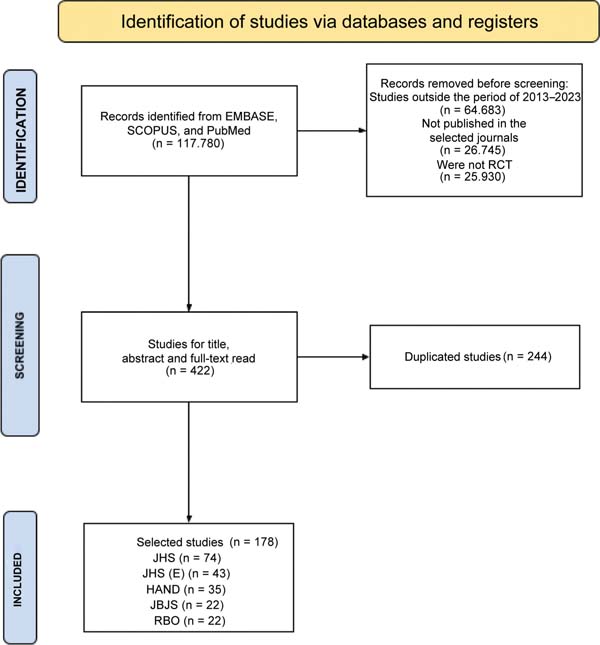
At the end of the research, of the 117,780 studies found, 178 RCTs that met the inclusion criteria were included (►Fig. 1).
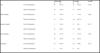
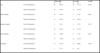
We found no relationship between the presence of COI and pro-funder results, whether primary (35.4% vs. 65.6%) or secondary (68.5% vs. 31.5%), favorable or not to the test device (68.6% vs. 31.4%) (►Tables 1–3).
| Unfavorable | Favorable | p-value | ||||
|---|---|---|---|---|---|---|
| N | % | N | % | |||
| All | No COI declaration | 72 | 65.5% | 43 | 63.2% | 0.764 |
| With COI declaration | 38 | 34.5% | 25 | 36.8% | ||
| Other funding | No COI declaration | 8 | 27.6% | 5 | 33.3% | 0.692 |
| With COI declaration | 21 | 72.4% | 10 | 66.7% | ||
| Industry-funded | No COI declaration | 2 | 11.8% | 0 | 0% | 0.274 |
| With COI declaration | 15 | 88.2% | 15 | 100% | ||
| Some funding | No COI declaration | 10 | 21.7% | 5 | 16.7% | 0.587 |
| With COI declaration | 36 | 78.3% | 25 | 83,3% | ||
| Unfunded | No COI declaration | 62 | 96.9% | 38 | 100% | 0.271 |
| With COI declaration | 2 | 3.1% | 0 | 0% | ||
| Unfavorable | Favorable | p-value | ||||
|---|---|---|---|---|---|---|
| N | % | N | % | |||
| All | No COI declaration | 85 | 68.5% | 29 | 54.7% | 0.078 |
| With COI declaration | 39 | 31.5% | 24 | 45.3% | ||
| Other funding | No COI declaration | 12 | 36.4% | 1 | 9.1% | 0.086 |
| With COI declaration | 21 | 63.6% | 10 | 90.9% | ||
| Industry-funded | No COI declaration | 1 | 5.9% | 1 | 6.7% | 0.514 |
| With COI declaration | 16 | 94.1% | 14 | 93.3% | ||
| Some funding | No COI declaration | 13 | 26.0% | 2 | 7.7% | 0.057 |
| With COI declaration | 37 | 74.0% | 24 | 92.3% | ||
| Unfunded | No COI declaration | 72 | 97.3% | 27 | 100% | 0.388 |
| With COI declaration | 2 | 2.7% | 0 | 0% | ||
| Unfavorable | Favorable | p-value | ||||
|---|---|---|---|---|---|---|
| N | % | N | % | |||
| All | No COI declaration | 59 | 68.6% | 56 | 60.9% | 0.281 |
| With COI declaration | 27 | 31.4% | 36 | 39.1% | ||
| Other funding | No COI declaration | 7 | 30.4% | 6 | 28.6% | 0.892 |
| With COI declaration | 16 | 69.6% | 15 | 71.4% | ||
| Industry-funded | No COI declaration | 1 | 9.1% | 1 | 4.8% | 0.466 |
| With COI declaration | 10 | 90.9% | 20 | 95.2% | ||
| Some funding | No COI declaration | 8 | 23.5% | 7 | 16.7% | 0.455 |
| With COI declaration | 26 | 76.5% | 35 | 83.3% | ||
| Unfunded | No COI declaration | 51 | 98.1% | 49 | 98.0% | 0.978 |
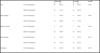
In the assessment of the baseline bibliometric variables, statistical significance was demonstrated for the number of funded authors (mean of 1.34 for other funding, 1.84 for industry, and 0.07 for unfunded) and the journal’s impact factor (2.5 vs. 3.05 vs. 2.2) (►Table 4).
| Bibliometric data | Funding | N | Mean | Median | Standard deviation | 95% CI | p-value |
|---|---|---|---|---|---|---|---|
| Number of Authors | Other funding | 44 | 4.93 | 5 | 1.35 | 4.53-5.33 | 0.241 |
| Industry | 32 | 5.53 | 6 | 2.08 | 4.81-6.25 | ||
| Unfunded | 102 | 5.00 | 5 | 1.68 | 4.67-5.33 | ||
| Number of funded authors | Other funding | 44 | 1.34 | 0 | 2.10 | 0.72-1.96 | < 0.001 |
| Industry | 32 | 1.84 | 1 | 2.26 | 1.06-2.62 | ||
| Unfunded | 102 | 0.07 | 0 | 0.38 | 0-0.14 | ||
| Impact factor | Other funding | 44 | 2.50 | 2,3 | 1.15 | 2.16-2.84 | 0.001 |
| Industry | 32 | 3.05 | 2,3 | 1.45 | 2.55-3.55 | ||
| Unfunded | 102 | 2.20 | 1,8 | 0.89 | 2.03-2.37 | ||
| Sample size | Other funding | 44 | 88.43 | 64,5 | 76.67 | 65.78-1 11.08 | 0.627 |
| Industry | 32 | 83.31 | 58,5 | 63.71 | 61.24-105.38 | ||
| Unfunded | 102 | 78.30 | 65 | 47.67 | 69.05-87.55 |
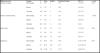
Comparing the three groups, the analysis of the qualitative variables CONSORT Adherence and COI declaration showed statistical significance (►Table 5). Industry-funded studies showed a CONSORT adherence rate of 56.3% compared to other funded studies (50%) and unfunded studies (28.4%) (p = 0.004). The positive rate of COI declaration was 93.8%, 70.5%, and 2.0%, respectively, in the respective groups (p < 0.001).
| Characteristic of the studies | Other funding | Industry | Unfunded | Total | p-value | |||||
|---|---|---|---|---|---|---|---|---|---|---|
| N | % | N | % | N | % | N | % | |||
| CONSORT adherence | No | 22 | 50.0% | 14 | 43.8% | 73 | 71.6% | 109 | 61.2% | 0.004 |
| Yes | 22 | 50.0% | 18 | 56.3% | 29 | 28.4% | 69 | 38.8% | ||
| COI declaration | No | 13 | 29.5% | 2 | 6.3% | 100 | 98.0% | 115 | 64.6% | < 0.001 |
| Yes | 31 | 70.5% | 30 | 93.8% | 2 | 2.0% | 63 | 35.4% | ||
| Primary outcome | Unfavorable | 29 | 65.9% | 17 | 53.1% | 64 | 62.7% | 110 | 61.8% | 0.503 |
| Favorable | 15 | 34.1% | 15 | 46.9% | 38 | 37.3% | 68 | 38.2% | ||
| Secondary outcome | Unfavorable | 33 | 75.0% | 17 | 53.1% | 75 | 73.5% | 125 | 70.2% | 0.064 |
| Favorable | 11 | 25.0% | 15 | 46.9% | 27 | 26.5% | 53 | 29.8% | ||
| Favorable to the device | Unfavorable | 23 | 52.3% | 11 | 34.4% | 52 | 51.0% | 86 | 48.3% | 0.217 |
| Favorable | 21 | 47.7% | 21 | 65.6% | 50 | 49.0% | 92 | 51.7% | ||
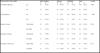
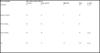
The use of the RoB 2 tool enabled assessment of the risk of bias in the included studies (►Table 6). Given the large number of studies included, it was decided to present the results in an aggregate manner. Detailed assessment data by study and domain are available as described in the data availability section. The interrater agreement coefficient (Cohen’s Kappa) of 0.79 suggests substantial agreement. Most studies were classified as low risk of bias (90/178; 50.6%), followed by some concern (73/178; 41.0%) and high risk (15/178; 8.4%). When stratified by type of funding, a similar distribution was observed across groups: industry-funded studies showed 50% low risk, 40.6% some concern, and 9.4% high risk. Statistical analysis did not demonstrate a significant association between funding and risk of bias (p = 0.537 for unfunded; p = 0.996 for some funding).
DISCUSSION
In our sample, industry-funded studies were, on average, published in journals with a higher impact factor (3.05; 95% CI 2.55-3.55) than unfunded studies (mean 2.2; 95% CI 2.03–2.37), indicating a statistically significant difference (p < 0.001). There was no statistically significant difference between studies with other funding (mean 2.5; 95% CI 2.16–2.84) compared with the other groups.
Several authors have already warned about the potential influence of industry on the scientific process, not only in the results but also in editorial interests and in a greater propensity to publish findings favorable to the devices under study.6,14–17
However, regarding the positivity assessment of the primary outcomes between the unfunded and funded groups (p = 0.503) in our study, it was not possible to rule out the hypothesis that both groups would have similar positivity proportions. In this context, the primary outcome was positive in 46.9% of industry-funded studies and 37.3% of unfunded studies, with no statistically significant difference. The same occurred for the secondary outcome (p = 0.064) and device-favorable outcome (p = 0.217).
These findings contrast with previous literature, as demonstrated by Bhandari et al.6 who identified a higher proportion of statistically significant pro-funder results in funded surgical RCTs.
Similar results were also reported in areas such as neuro-surgery,18 dermatology19, and spine surgery.14 In the latter study, Munsch et al.14, for example, reported a higher proportion of positive outcomes in industry-funded studies, including among subgroups funded by public agencies, in addition to identifying bias in the selective publication of studies with negative results.
In plastic surgery, a balance was observed between funded and unfunded studies in the reconstructive area, but a greater proportion of industrial funding in cosmetic surgery.12 This pattern is close to the profile observed in our study, focused on hand surgery, a mostly reconstructive area.
In orthopedics, Nesello et al.20 also found a higher proportion of positive results in industry-funded studies using platelet-rich plasma, particularly in lower-level evidence studies. In contrast, our study found no significant difference between the groups in sample size, although the number of authors was higher in studies with funding (p < 0.05).
Regarding the quality of reporting, we observed greater adherence to the CONSORT checklist among industry-funded studies (56.3%), followed by other funding (50%) and unfunded studies (28.4%), a statistically significant difference (p = 0.004). Adherence to CONSORT reinforces the transparency and reproducibility of studies and, although not mandatory, its adoption is seen as indicative of methodological rigor. The CONSORT checklist presents 25 items that assist in the transparency, reproducibility, and proper interpretation of the study results.21–24
However, our study also has relevant limitations. The selection bias of the journals, all high-impact, may have favored the inclusion of RCTs with greater methodological rigor, reducing the heterogeneity of the sample. In addition, by limiting the selection to the post-2013 period, there may have been a higher prevalence of studies that were subject to stricter editorial transparency requirements.
Another critical point concerns the reliability of COI declarations. Studies such as Hannon et al.25 and Tian et al.26 identified significant discrepancies between copyright statements and records in public databases, such as open payments. This type of understatement can mask the actual extent of funding and impact the categorization of studies.
Finally, when assessing the risk of methodological bias (RoB 2), we identified that most studies were classified as low risk, with a relatively homogeneous distribution across funding groups. Statistical analysis did not indicate a significant association between the type of funding and the overall judgment of the risk of bias (p ≥ 0.05). Still, the presence of studies with some concern in all categories indicates that attention to methodological quality should be constant, regardless of the source of funding.
However, it is worth noting that RoB 2 may not fully capture structural biases associated with funding, such as comparator selection, outcome setting, or selective reporting. As pointed out by Lundh et al.27 and reinforced by Devji et al.,5 industry-funded studies may present more favorable conclusions to the sponsor, even when classified as low risk of bias, thereby requiring caution in interpreting these results.
Thus, although funding should not be used in isolation as a criterion for judging a study’s validity, it should be considered in the context of its reporting, methodological transparency, and its potential to influence interpretations. Our study contributes by demonstrating that funded studies, when well-designed and published in journals with high editorial rigor, do not necessarily present a greater risk of bias, but still require careful critical analysis.
Study limitations
The selection bias of journals is relevant: the sample was composed exclusively of high-impact journals, which may have excluded relevant RCTs published in less visible journals, potentially biasing the analysis in favor of studies with greater methodological rigor and a higher frequency of declared funding.
In addition, the categorization of funding and COI was based solely on the authors’ statements, which may be subject to omissions or inaccuracies—as demonstrated by studies comparing these statements with public records of industry payments.
Finally, the absence of prior registration of the protocol on public platforms, such as International Prospective Register of Systematic Reviews (PROSPERO), constitutes a limitation of the study.
CONCLUSION
The present study did not identify robust evidence that the type of funding—whether from industry, other sources, or no stated funding—is associated with a higher proportion of favorable intervention outcomes in randomized clinical trials in hand surgery. It was observed that the funded studies were, on average, published in higher-impact journals and showed greater adherence to the CONSORT checklist, which may reflect greater methodological rigor or stricter editorial requirements.
Despite these findings, caution is recommended in interpretation, as the analysis was not adjusted for potential confounders, and tools such as RoB 2 may not fully capture structural biases related to funding, outcome definition, and selective reporting. In addition, the inclusion of high impact factor journals may have limited the methodological variability of the studies evaluated.
In summary, although funding has not been directly associated with greater methodological risk or with a trend toward favorable results, the potential influence of funders on the design, conduct, and reporting of studies remains a valid concern and should continue to be subject to critical scrutiny in future systematic reviews and editorial practices.
REFERENCES